For most of chess history, being brilliant at chess did not mean becoming rich. The game produced legends, eccentrics, national heroes, and world champions, but not many millionaires. That is what makes the modern era so interesting. Chess has finally started to create a small class of wealthy players, streamers, educators, and entrepreneurs.
The phrase "millionaire chess players" needs careful handling. If we mean people who became wealthy mainly from tournament chess, the list is still surprisingly short. If we mean people whose chess skill, fame, content, books, courses, sponsorships, and companies created wealth, the story gets much larger.
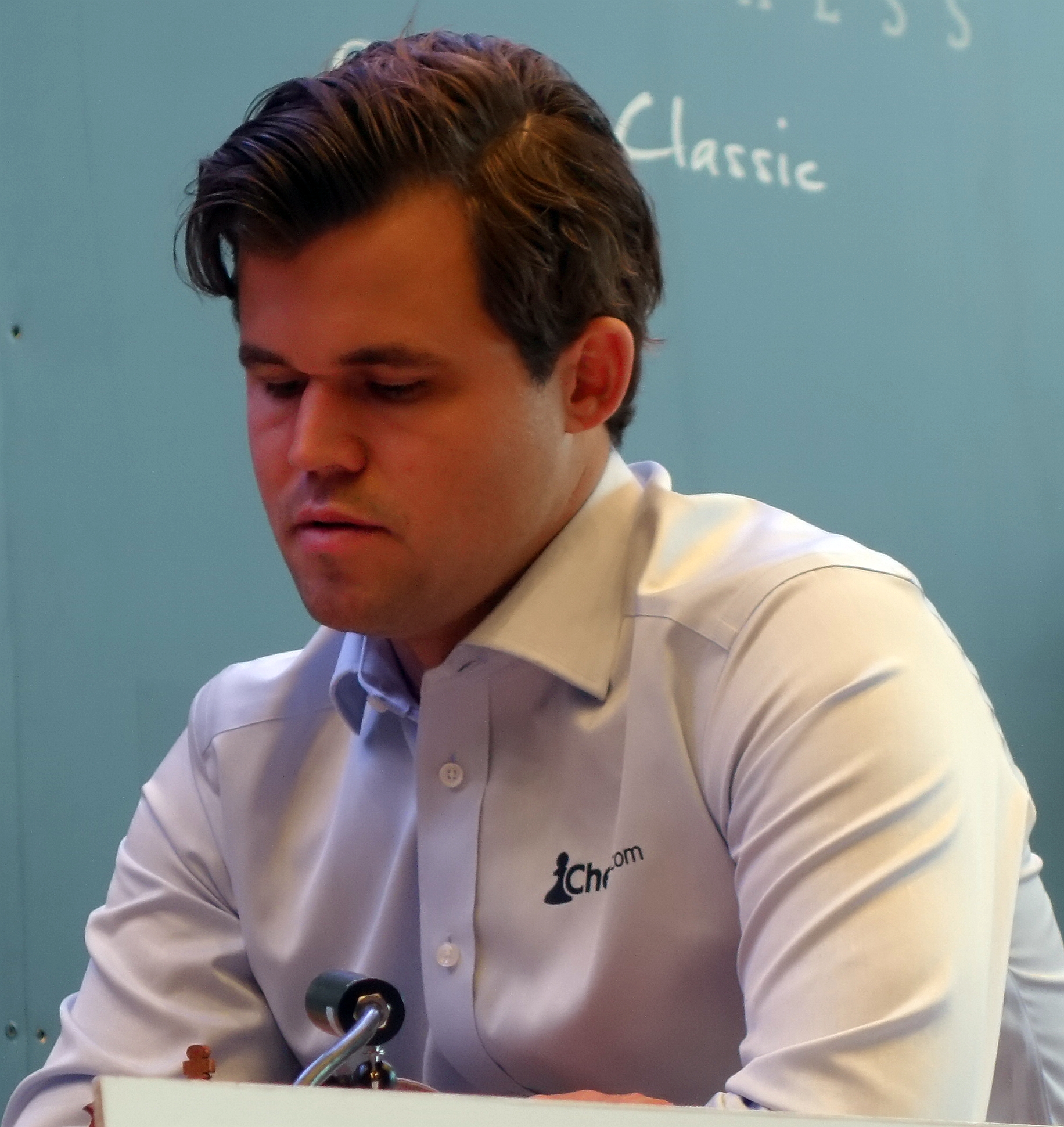
Magnus Carlsen. Photo: Stefan64, Wikimedia Commons, CC BY-SA 3.0.
Chess did not always pay
The first world champion, Wilhelm Steinitz, helped invent modern positional chess, but he was not rewarded like a modern sports star. Biographical accounts commonly note that Steinitz struggled financially and died poor. Paul Morphy, the great American genius of the 1850s, became famous but did not build a professional chess fortune. Even much later, many Soviet champions had state support and prestige, but not Western-style private wealth.
Bobby Fischer changed the economics briefly in 1972. The Fischer-Spassky match in Reykjavik had Cold War drama, television attention, and unusually intense prize negotiations. But Fischer was an exception, not a stable business model. For most grandmasters, tournament chess remained a difficult profession: travel costs were high, prize funds were uneven, sponsorships were limited, and only a handful of players could make a comfortable living.
That is why today's chess economy feels so different. A top player can now earn from tournaments, streaming, YouTube, Twitch, Kick, books, courses, paid communities, brand deals, corporate speaking, app ownership, equity, coaching, commentary, and appearances. Chess has become not only a sport, but a media category.
The money is not only in prize funds
Tournament prize money is the easiest part to measure. Chess.com publishes annual prize-money breakdowns; its 2025 prizewinners article listed Magnus Carlsen, Fabiano Caruana, Levon Aronian, Hikaru Nakamura, and others among the leading earners for that year, and also published lifetime tournament-prize estimates for top players. Those numbers are useful, but they do not capture the whole chess economy.
The hardest money to measure is the money that may matter most: sponsorships, appearance fees, streaming contracts, YouTube advertising, course sales, private equity, app deals, consulting, speaking, and business ownership. That is why random "richest chess player" lists on the internet should be treated with caution. Tournament winnings are visible. Net worth usually is not.
Magnus Carlsen: the champion as entrepreneur
Magnus Carlsen is the clearest modern example of a chess millionaire. He was already the dominant player of his generation, but his wealth story is not just about winning games. Carlsen turned his name into a brand and then into a business platform.
Carlsen co-founded Play Magnus Group, which grew into a chess education and entertainment company with brands such as Chessable, chess24, New In Chess, Aimchess, and the Play Magnus app suite. In 2022, Chess.com acquired Play Magnus Group. Houlihan Lokey, adviser to Play Magnus, described the company as a leading provider of chess experiences and noted the transaction closed in December 2022.
The lesson is that Carlsen may not be wealthy simply because he was world champion. He became wealthy because he was world champion at the exact moment when chess could become software, media, education, entertainment, and global online community. His official YouTube presence is at Magnus Carlsen on YouTube, and his newer chess-media project can be found at Take Take Take.
Hikaru Nakamura: the streamer grandmaster
Hikaru Nakamura may be the most important example of chess wealth in the streaming era. He was already an elite grandmaster and U.S. champion before chess exploded online, but streaming turned him into something different: a chess-native internet celebrity.
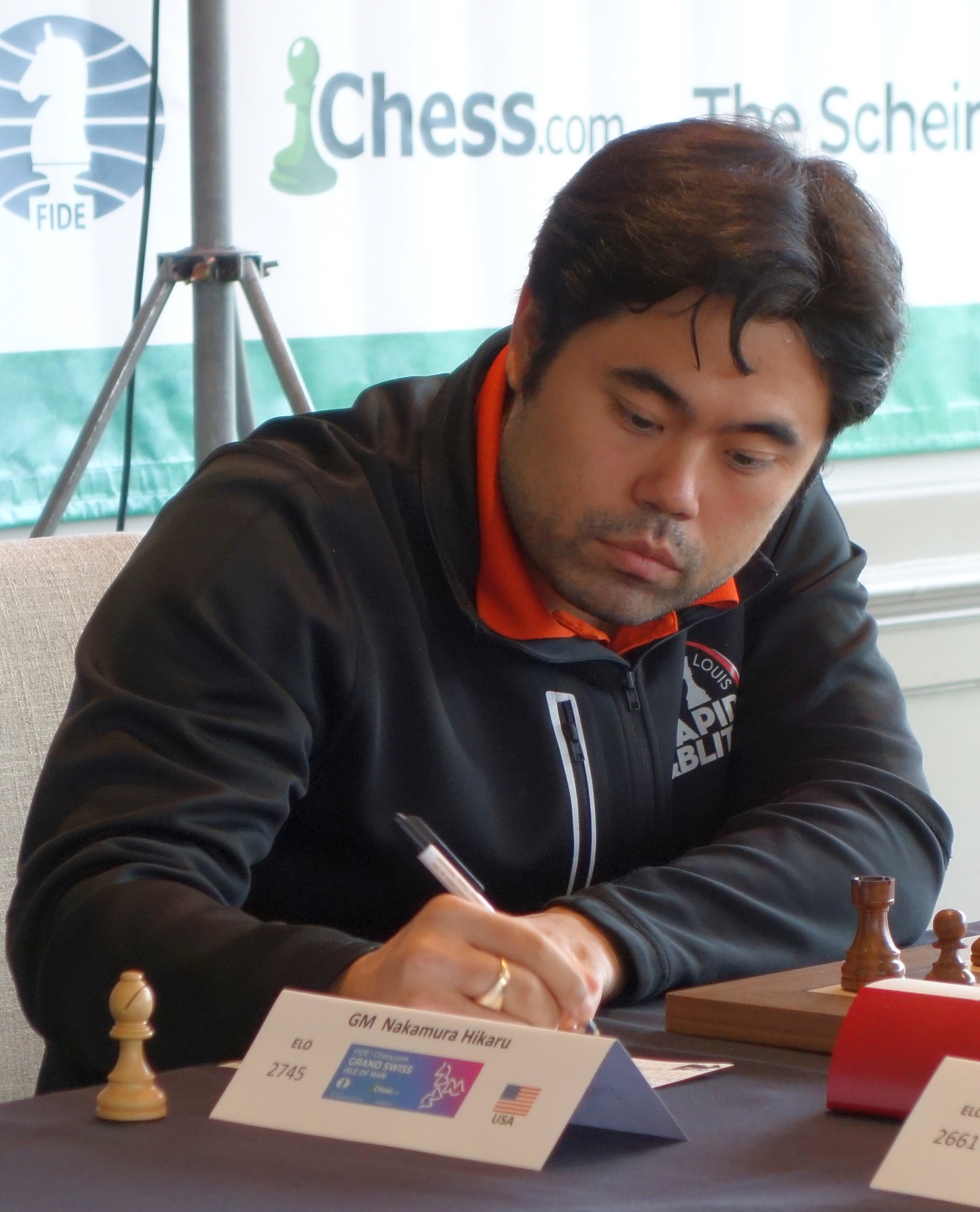
Hikaru Nakamura. Photo: Stefan64, Wikimedia Commons, CC BY-SA 4.0.
Nakamura's appeal is that he can play world-class chess while talking, explaining, reacting, joking, and producing clips. That is not the same skill as classical tournament preparation. It is performance, teaching, calculation, speed, and personality all at once.
For many fans, Hikaru is not just a grandmaster they read about after a tournament. He is someone they watch live. His main channels include GMHikaru on YouTube, GMHikaru on Twitch, and GMHikaru on Kick. His Chess.com profile also points viewers toward his streaming presence.
That matters economically. A player who can reach millions directly does not depend only on prize funds. Streaming can bring subscription revenue, advertising, sponsorships, platform deals, affiliate links, paid courses, and merchandise. Nakamura helped prove that an elite chess player could become a digital creator without giving up competitive relevance.
Garry Kasparov: champion, author, speaker, public figure
Garry Kasparov belongs to the previous economic generation, but he also shows how chess fame can become broader professional capital. Kasparov earned tournament and match money, but his post-playing career has included books, lectures, political activism, consulting, foundation work, and public speaking.
Kasparov's name also travels beyond chess because of the Deep Blue match, his long world-championship reign, his books, and his political work. His official site, Kasparov.com, presents him not only as a former world champion, but as an author, speaker, activist, and institution-builder. The Kasparov Chess Foundation is another example of chess prestige becoming a platform.
Kasparov's career shows an older route to chess wealth: become the undisputed best player in the world, then convert that authority into books, lectures, institutional leadership, and public influence. That path still exists, but it is much harder to scale than streaming.
Fabiano Caruana: prize money, professionalism, and media
Fabiano Caruana is one of the best examples of the modern tournament professional. He has earned substantial prize money, reached the World Championship match, remained near the top of the rating list for years, and built a thoughtful media presence without turning himself into a full-time influencer.
Caruana's wealth is harder to estimate because he is less public about sponsorships and private income. But he belongs in any discussion of chess millionaires because his elite tournament career has produced large prize earnings, and because he has expanded into high-level chess content. His official YouTube channel is Fabiano Caruana on YouTube. He also co-hosts the C-Squared Podcast, which has become one of the more serious long-form shows in chess.
Caruana represents a middle path: not a full streamer in the Nakamura style, not a company-builder in the Carlsen style, but a top professional who uses media to deepen his brand and explain elite chess to serious fans.
Viswanathan Anand: the Indian chess economy before the boom
Viswanathan Anand is a five-time world champion and one of the most important figures in chess history. He also matters economically because he became a national sports icon in India long before the current streaming boom. Anand's earnings came through tournament success, world championship matches, sponsorships, endorsements, books, appearances, and his status as the player who helped inspire India's chess generation.
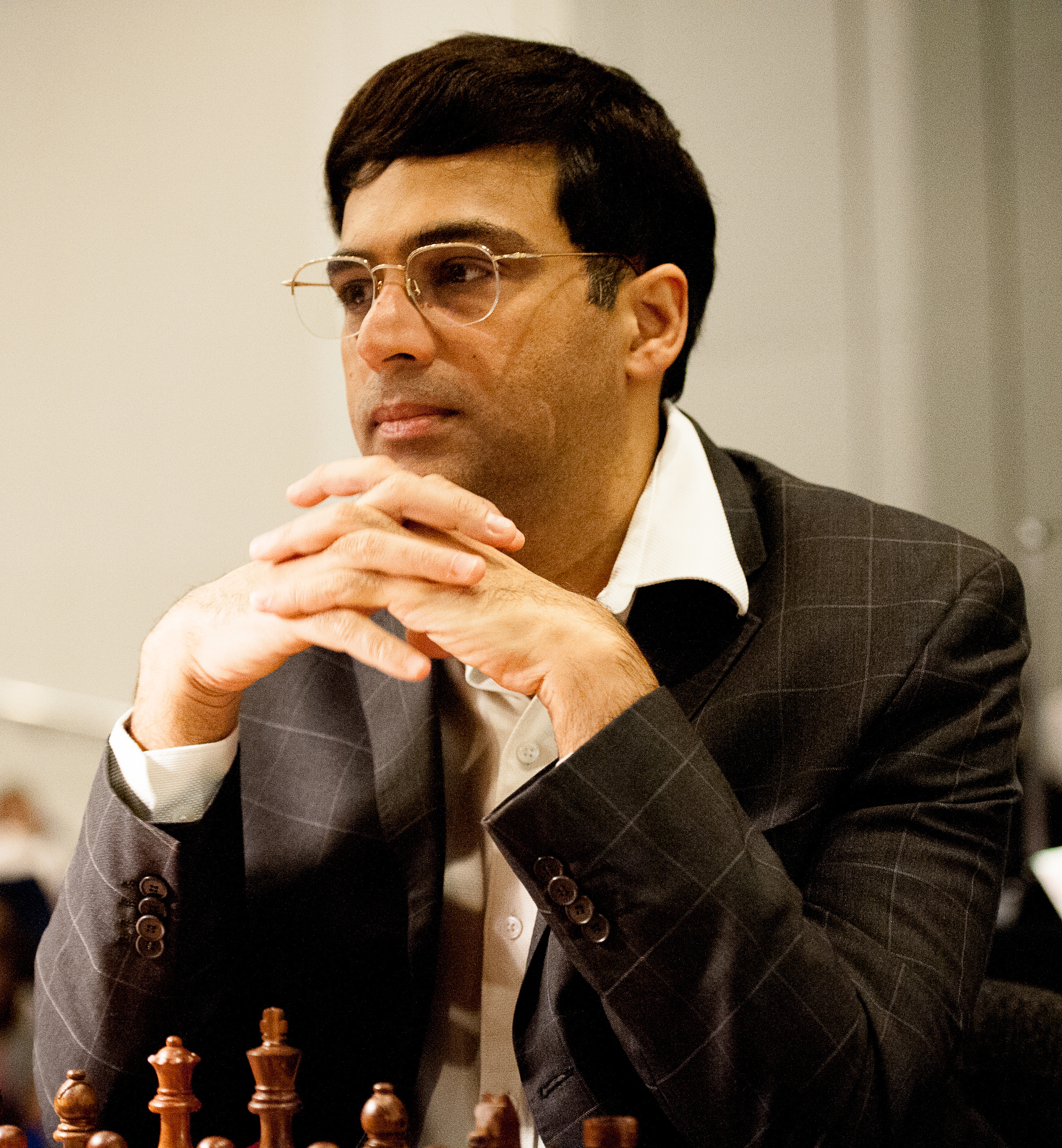
Viswanathan Anand. Photo: Wolfgang Jekel, Wikimedia Commons, CC BY 2.0.
Anand's official FIDE profile shows the scale of his competitive longevity. Chess.com also maintains a Viswanathan Anand player biography. Anand may not have had the same digital monetization tools available during his peak as Nakamura or Carlsen did, but his place in Indian chess gave him a different kind of commercial power.
Who is really the richest chess player?
The honest answer is that outsiders do not know. We can compare tournament prize lists, but those are only one income stream. We cannot see every sponsorship contract, private company stake, streaming guarantee, YouTube payout, book royalty, speaking fee, or investment.
If the question is "who has earned the most visible tournament prize money?" Carlsen, Anand, Kasparov, Caruana, Nakamura, Karpov, Kramnik, Nepomniachtchi, Ding Liren, and other elite players belong in the conversation. If the question is "who built the biggest modern chess business around their name?" Carlsen rises. If the question is "who best monetized the creator economy?" Nakamura is the obvious case. If the question is "who converted chess fame into a long public career?" Kasparov is hard to ignore.
There are also people associated with chess who may be wealthier than many grandmasters because they own platforms, media businesses, course companies, or technology companies. Chess.com, Lichess, Chessable, Play Magnus Group, Take Take Take, streaming teams, chess schools, and content channels all changed the chess economy. The money is no longer only across the board. It is around the board.
That business layer deserves its own treatment. We now have a companion article on the business of chess, including how Chess.com, Lichess, Chessable, streaming platforms, esports events, software, and sponsorships shape where the money is made.
The Queen's Gambit, streaming, and the new chess boom
The modern chess-money story cannot be separated from the online chess boom. The pandemic pushed people into online entertainment. Twitch chess made games social and funny. Netflix's The Queen's Gambit made chess stylish and cinematic. Chess.com, Lichess, YouTube, TikTok, and streaming platforms made it easy for a beginner to watch, play, learn, and share clips in the same day.
Business Insider reported during the Queen's Gambit wave that Chess.com was seeing a surge in sign-ups after the Netflix series. Wired later described another traffic surge around Chess.com in 2023, driven by celebrities, TikTok, viral bots, and online chess culture. Whether every boom lasts forever is a separate question, but the economic structure changed permanently: chess now has spectators who may never attend a tournament hall.
Why chess still does not create many millionaires
Even now, the list remains short. There are thousands of titled players, but only a small number can live comfortably from chess alone. Tournament costs are real. Prize money is concentrated at the top. Coaching pays, but it takes time. Content creation is competitive. Sponsorships follow audience size, not just rating.
That is why the new chess millionaires are usually not just players. They are player-creators, player-founders, player-authors, player-speakers, or player-educators. Chess skill opens the door. Business structure decides how much money comes through it.
The bottom line
The old chess economy rewarded genius with fame and, too often, financial insecurity. The new chess economy rewards genius plus distribution. Carlsen had the title and the company. Nakamura had the rating and the livestream. Kasparov had the crown and the public voice. Caruana has elite credibility and serious media. Anand had championship greatness and the rise of an entire national chess culture behind him.
That is the real story of the millionaires of chess. Chess itself did not suddenly become easy money. The board became a platform. The players who understood that shift became something earlier champions rarely could be: wealthy from the world around chess, not only from the moves on the board.
Image credits: Magnus Carlsen and Hikaru Nakamura photos by Stefan64 via Wikimedia Commons under CC BY-SA licenses; Viswanathan Anand photo by Wolfgang Jekel via Wikimedia Commons under CC BY 2.0. Images are used as editorial illustrations with attribution.